Food Packaging Innovations: What's Trending for Green Food Storage
Food packaging trends are increasingly oriented toward sustainability. Biodegradable materials and eco-friendly alternatives to plastics are becoming essential. Innovations in reusable and smart packaging are emerging, providing convenience while minimizing waste. Minimalist designs are also gaining traction, emphasizing efficiency and aesthetics. As shoppers become more informed, businesses must keep pace with these emerging trends. It remains to be seen how these developments will transform food storage practices and influence purchasing decisions.
How Biodegradable Materials Are Key to a Sustainable Future
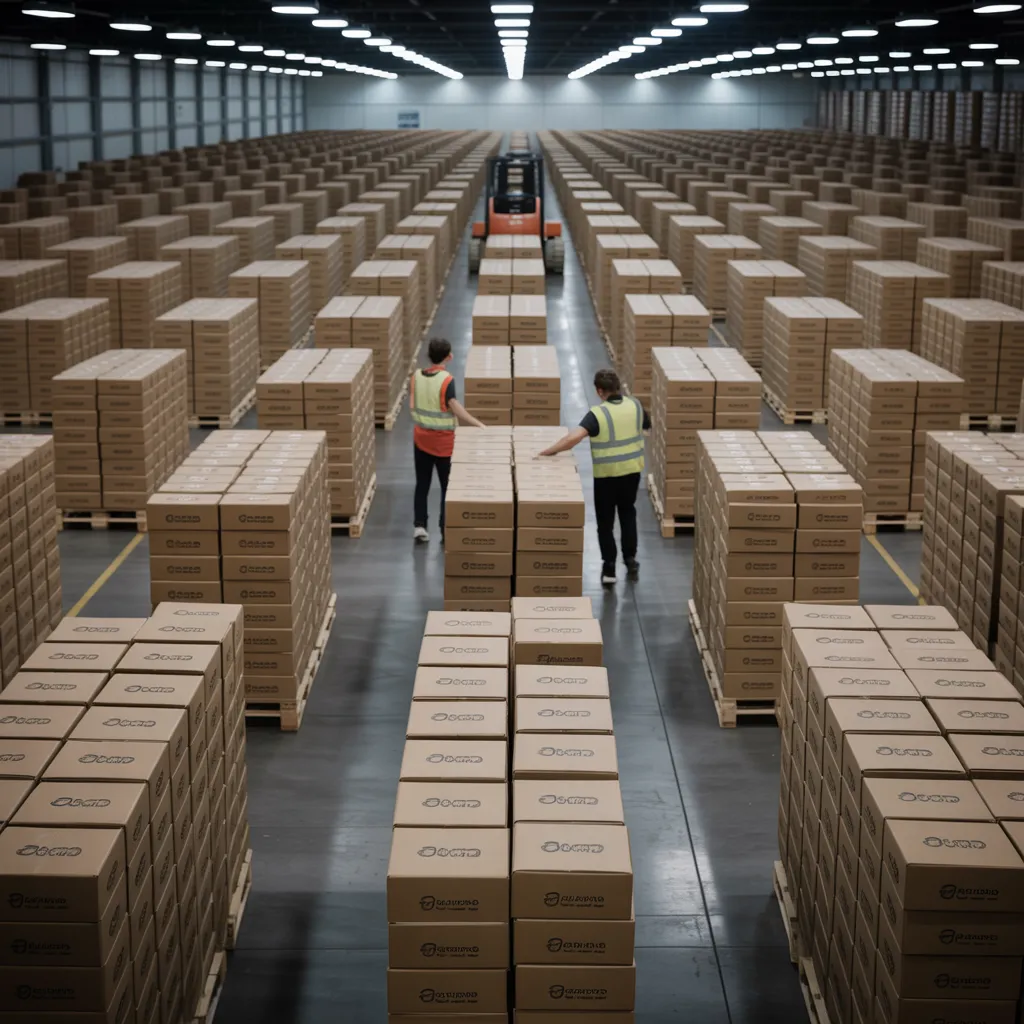
As concerns about the environment continue to rise, the need for biodegradable materials in food packaging becomes undeniably clear. Conventional plastic packaging plays a significant role in global pollution, needing centuries to degrade and posing serious threats to wildlife. By comparison, biodegradable materials provide a sustainable solution that decomposes organically, reducing landfill waste and environmental impact.
These substances, frequently sourced from renewable resources, not only reduce pollution but also promote a circular economy by returning vital nutrients to the soil. Innovations in biodegradable packaging, such as plant-based films and compostable containers, are gaining traction among consumers and businesses alike.
In addition, regulatory pressures and consumer demand for eco-friendly options are driving companies to adopt these sustainable practices. Through the adoption of biodegradable materials, comprehensive article the packaging industry can play a vital role in mitigating climate change and fostering a healthier planet for future generations. This shift indicates a necessary step toward a more responsible and sustainable future.
Sustainable Substitutes for Single-Use Plastics: A Comparative Overview
As single-use plastics have controlled the food packaging sector for decades, a growing array of eco-friendly alternatives is arising as viable substitutes. Choices like biodegradable films, compostable containers, and plant-based plastics provide promising options for reducing environmental impact. Biodegradable films, often made from starch or cellulose, degrade faster in natural environments compared to traditional plastics. Compostable containers, derived from renewable resources, offer a sustainable solution for foodservice applications, particularly in environments focused on minimizing waste. Additionally, plant-based plastics, such as polylactic acid (PLA), deliver similar performance characteristics to conventional plastics while coming from renewable materials. All alternatives demonstrate unique benefits and challenges, including cost, availability, and specific use cases. As consumer understanding expands, these eco-friendly options are proving critical in the fight against plastic pollution, opening the door for a more sustainable future in food packaging.
Advancements in Eco-Friendly Food Packaging: Reusable Alternatives
Developments in sustainable food packaging are progressively centered on reusable alternatives that minimize environmental harm. The growth of sustainable biodegradable resources is complemented by the introduction of durable containers engineered for extended reuse. In addition, forward-thinking design characteristics elevate performance, making these alternatives useful and attractive to customers.
Biodegradable Materials Transformation
The transition towards biodegradable materials in food packaging is reshaping the industry, delivering eco-friendly options that tackle environmental concerns. Innovations in bioplastics, made from natural origins like corn starch and sugarcane, are growing in popularity as they decompose more easily than traditional plastics. These materials provide the essential durability for food storage while also minimizing landfill waste. Organizations are increasingly investing in research to enhance the performance and affordability of biodegradable options, catering to eco-conscious consumers. Furthermore, the rise of standards for compostable packaging is promoting transparency and consumer trust. As concern about environmental issues expands, the demand for biodegradable materials in food packaging is expected to intensify, creating a more eco-friendly tomorrow for the industry.
Heavy-Duty Reusable Containers
With the growing emphasis on sustainability in food packaging, sturdy reusable containers are becoming a practical means of reducing disposable packaging waste. Built for extended use, allowing consumers to safely store and carry food for longer durations. Produced using materials including glass, stainless steel, and high-grade plastics, they hold up through continuous use and are commonly dishwasher safe, simplifying maintenance. The shift towards durable options reflects a broader commitment to environmental responsibility, since they significantly reduce dependence on single-use packaging. Furthermore, companies that embrace reusable containers frequently experience greater customer retention, because shoppers recognize and support the sustainable option. Ultimately, durable reusable containers represent a practical approach to minimizing environmental impact while enhancing food storage efficiency.
Creative Design Elements
As sustainability grows into a priority in food packaging, cutting-edge design features are emerging that boost the functionality and attractiveness of reusable solutions. Contemporary reusable containers now integrate materials that are both eco-friendly and versatile, such as bioplastics and recycled fibers. Advanced sealing mechanisms guarantee freshness while reducing waste, and modular designs enable easy stacking and storage. Furthermore, many brands are incorporating smart technology, delivering features like QR codes for freshness tracking or recipe suggestions. Consumer-friendly designs, such as collapsible or foldable alternatives, meet consumers' demands for convenience. These developments not only support sustainability but also drive a shift in consumer habits towards more responsible food storage practices, rendering reusable solutions increasingly appealing in today's market.
How Intelligent Packaging Solutions Improve Sustainability
Although traditional packaging has often been associated with environmental concerns, advanced packaging technologies are surfacing as a revolutionary solution that strengthens environmental responsibility. These cutting-edge systems leverage sensors and indicators to assess product freshness, considerably decreasing food waste. By providing real-time data on spoilage, they enable consumers and retailers to make informed decisions, ultimately extending the life of perishable goods.
Furthermore, smart packaging are able to be crafted using eco-friendly materials and characteristics that decrease the environmental effects. As an illustration, various technologies feature QR codes that facilitate recycling by delivering comprehensive disposal guidelines. This not only promotes eco-conscious consumer practices but also optimizes the recycling process.
Furthermore, the incorporation of smart packaging with supply chain operations improves efficiency by tracking products from the point of origin to the point of sale. This traceability minimizes surplus stock and streamlines delivery processes. Altogether, smart packaging reflects a visionary methodology that harmonizes modern technological advancements with green initiatives in the food and beverage sector.
Why Minimalist Design Reduces Waste
The minimalist approach in food packaging serves a dual purpose of highlighting simplicity while significantly reducing waste. Through the removal of excess elements, minimalist packaging often utilizes fewer materials, thereby directly supporting lower levels of resource use. This streamlined approach enables manufacturers to create lighter products that offer greater ease during shipping, leading to a significant reduction in carbon emissions throughout distribution.
Moreover, minimalist aesthetics tend to place functionality at the forefront, ensuring that packaging serves its purpose effectively without excess. This concentration on fundamental features decreases the probability of excessive packaging, which represents a considerable source of environmental waste. Furthermore, visually attractive yet straightforward designs can boost consumer appeal, championing the notion of sustainability without sacrificing aesthetic appeal.
As the industry continues to shift toward eco-conscious practices, minimalist packaging stands out as an effective answer that supports both sustainability targets and shopper demands, ultimately encouraging a commitment to sustainable practices in food storage.
Consumer Insight: Inspiring Change in Sustainable Food Packaging
Consumer consciousness has risen significantly in recent times, with approximately 66% of global consumers voicing worries about the environmental impact of their purchases. This heightened awareness is revolutionizing the food packaging sector, driving brands to embrace sustainable approaches. Consumers are progressively demanding products with environmentally responsible packaging, compelling businesses to embrace recyclable, biodegradable, or compostable options.
Furthermore, openness has emerged as a critical element; shoppers are now favoring brands that clearly communicate their sustainability efforts. This change is driving producers to develop new approaches, emphasizing simplified designs that cut down on waste while preserving product standards. Consequently, the food sector is undergoing a significant transition toward more sustainable packaging alternatives.
In the end, the growing consumer appetite for sustainable practices is not just a temporary shift; it is a fundamental change that is reshaping how goods are packaged and promoted, confirming that sustainability remains a driving force in industry operations.
Popular Questions We Receive
What Are the Expenses Involved With Sustainable Food Packaging Choices?
The costs associated with sustainable food packaging options generally consist of elevated material costs, spending on cutting-edge technologies, and likely greater production expenditures. That said, lasting financial gains and ecological advantages could counterbalance these upfront expenses for organizations.
In What Ways Do Consumers Shape Packaging Design Decisions?
Buyers greatly influence choices in packaging design via a preference for aesthetics, sustainability, and convenience. The demand for environmentally friendly materials encourages businesses to innovate, ensuring that packaging fulfills both environmental standards and consumer expectations for functionality and visual appeal.
Do Certifications Exist for Sustainable Food Packaging Materials?
Yes, there are numerous accreditations for environmentally conscious food packaging materials, including FSC, Cradle to Cradle, and BPI. Such certifications assist consumers in identifying eco-conscious choices, supporting responsible sourcing practices and lessening ecological harm.
How Do Government Policies Influence Sustainable Packaging?
Government regulations considerably influence sustainable packaging by creating frameworks that support eco-friendly materials, reinforce recycling initiatives, and drive technological advancement. These frameworks guide manufacturers to adopt greener approaches, resulting in long-term advantages for both the environment and community well-being.
How Do Businesses Measure the Impact of Sustainable Packaging?
Businesses can measure the impact of sustainable packaging by analyzing metrics such as reduced carbon footprints, waste generation, consumer feedback, and lifecycle assessments, enabling them to evaluate effectiveness and make informed improvements in their packaging strategies.